Friday, 5 June 2015

Places to visit from Moreton Morrell

There are many historic towns in the area with attractive buildings, interesting shops and good places to eat and drink. Students might like to visit some of the places listed on the way to and from the summer school, companions might find inspiration and those attending the open day from further afield might decide to take detours. The Wednesday afternoon is free from lessons and some of these places are options within the visit programme for students and companions.
Grouped together within “Shakespeare's County” are:

Warwick (10 miles) has a large and thriving castle,  several museums, the Lord Leycester Hospital (for retired soldiers) and St Mary's Church where the Beauchamp Chapel  holds the elaborate tomb of Richard Beauchamp, Earl of Warwick,  the Kingmaker. 

Kenilworth Castle (15 miles) is mainly ruins but they have reconstructed an Elizabethan garden such as the Earl of Leicester would have made as part of his elaborate preparations for the visit of Queen Elizabeth.

Royal Leamington Spa (10 miles) is a Regency town.  The Pump Rooms now house the Museum, Art Gallery and Library   If you are brave enough you can taste the water – it tastes pretty horrible so it must be good for you!

Rugby (19 miles) is a market town famous for its school and invention of the game. In Summer 2015 there are special World Rugby Cup Tours. Near to Rugby is the village of Dunchurch (with Gunpowder plot connections) and nearby Toft Alpaca stud (which does visits).

Coventry (19 miles) is well known for Lady Godiva its adjoining old and new Cathedrals and vast Graham Sutherland tapestry (cleaned in 2015 ready for your visit!). AGWSD members will be interested in its silk-weaving past. The Weaver's House, St Mary's Guildhall and Herbert Museum are options for the Wednesday student visit programme.


And, of course, Stratford-upon-Avon, (9 miles) Shakespeare's Birthplace. See information on the properties owned by the Birthplace Trust.   The Royal Shakespeare Theatre  www.rsc.org.uk .  There are boat trips on the river.

Birmingham (39 miles, regular trains from Leamington) is a large city with lots to explore including several art galleries and museums, with a fantastic collection of Pre-Raphelite works. Birmimgham has a Jewelry Quarter tied to its history in silversmithing and a Chinatown and Balti Triangle celebrating its multicultural nature.  

Towards the Cotswolds

If you drive South through Kineton up the escarpment to Edgehill, site of the first battle of the Civil War,  past Upton House (N.T.)  you move from Warwickshire into the Cotswolds. The next town is Banbury (c 20miles from the college) famed for its Cross from the nursery rhyme, which is still there, and its Cakes, which are in recipe books but which may be hard to find in the town. .

There are many attractive Cotswold towns and villages within a short drive.

Follow the Fosse Way south and you go through Moreton in Marsh (6.5 miles) (and Stow-on-the-Wold  (5 miles further) and continue to Cirencester (40 miles from Moreton Morrell)  a Roman town which thrived in the Middle Ages.  All on the  Cotswolds Information site above .

Chipping Campden (17 miles) an old centre of the wool trade, was later the home of the Guild of Handicraft led by C.R. Ashbee.  Their work is celebrated in the Court Barn Museum, and continues in the workshops of the Silk Mill.
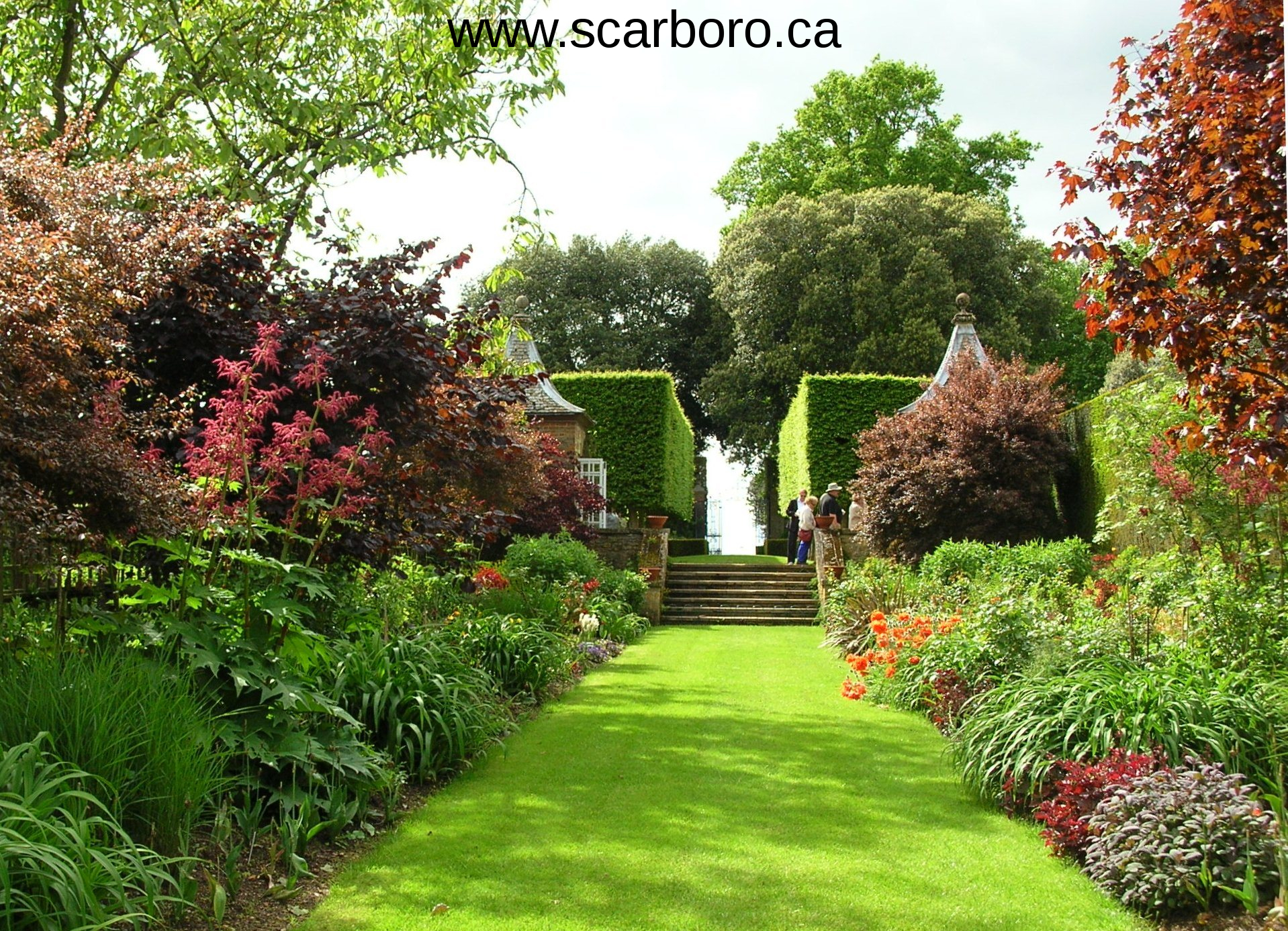

There are several renowned gardens in the area :  Hidcote Manor (N .T.)  Kiftsgate Court, (next to each other, 14.5 miles)  Sezincote, (20 miles)  Bourton House, (19.5 miles)  and Batsford  Arboretum (18 miles).

Woodstock and Blenheim Palace with nearby Bladon where Churchill is buried,  are about 35 miles with the dreaming spires of Oxford a further 10 miles on the same road – we advise you to  Park and Ride as parking in the city centre is extremely limited. You can also get a train from Leamington Spa Station to Oxford.

Or perhaps a trip to Hook Norton (18 miles from the college) to see the Brewery.  

Friday, 24 April 2015

About the Trade Fair

You don't have to be a student to visit the Trade Fair as it will be open on Saturday 22nd August for visitors (you can find out more and register using the button on the right). In this post Becky Belcher tell us about how the Trade Fair team went about planning the trade fair for this year's summer school.

We at The Birmingham and District Guild of Weavers, Spinners and Dyers are primarily responsible for organising the Trade Fair at this year's Summer School. We want to make the Trade Fair as special and interesting as possible, so we have endeavoured to collect together some of the best names in textile loveliness.

Last year we had a "Six Guilds" event, so that was our starting point when thinking about who to invite to trade at Summer School 2015. We then contacted the tutors booked to teach at Summer School. We wanted to solicit their ideas for which traders would be specifically good to invite, in terms of what students might want to add to their own collections of tools and equipment and fibres, pertinent to their new and developing skills from their Summer School classes. We also thought about traders that we had seen at shows ourselves, and who we thought may be good to have at the Trade Fair.

Then we sat down and made a list ... we wanted choice amongst the disciplines, but had to weigh that against not having too many traders representing any one aspect of our crafts. We sent out packs to prospective traders. Some were already busy, with holidays and other commitments. However, the final list looks good.

Cyndi, Kate, Carolyn and I joined Chris, Abigail and Ann on a site visit to Moreton Morrell. We saw the hall, took more measurements and generally got a clearer idea of how the hall will be laid out. Chris, the convenor, who looks after everything, has been busy adding traders' websites to the blog. This is great as individuals can now order specific things and traders will hopefully be able to accommodate customers and bring things along to the Trade Fair.

Traders themselves are adding short descriptions of their stalls and wares to the blog, almost daily, generating a keen interest, and a "must go to" date in the diary for all fibre lovers. Traders have also donated special prizes to our raffle, which are also being listed on the blog. These tickets will be on sale at the Trade Fair on both days.

We hope to raise a lot of money for the bursary fund, for future Summer School attendees, so make sure you not only get tickets for yourself, but remember to get your friends to order some tickets, too!!!

Becky

Sunday, 5 April 2015

Past the six month stage - getting ready ...

During this past month students have been receiving their messages from tutors and the summer school team have been visiting Moreton Morrell to plan out how the spaces will best work for us now that we know what we want in terms of teaching and social activity. We also know how many of you will be joining us.

Some information has been added to the website which is of general interest and could be handy when planning your trip.
  1. The programme - gives you an idea of what will be happening while you are there. We will explain more about the visits, talk, auction, fashion show and party in future blog posts as we get closer to the event.
  2. Travel to the venue - has been updated with information about the minibus service and the taxi costs. We also have set up a simple scheme to help would-be car sharers identify people looking for transport and those who may be able to offer it. A direct link to this form is here.
  3. Trade Fair - is one of the things that students look forward to. We have a good range of traders lined up and listed on the website. This will be open to students (only) on the Friday evening but open to others too on the Saturday. We hope that many guild members not attending as students will visit us then. Each trader has donated a prize to what promises to be a very tempting raffle.
We hope that this extra information will help you to plan your travel, what to pack and what to leave space to carry home with you.

Thursday, 12 March 2015

Where did February go? ... We're nearly at the 6 month mark!

Some of our postbag - thank you for brightening up the admin!
February the shortest month - also the fastest-moving month here in Summer School HQ. Students were notified about their course allocations in early February and we then did various bits of shuffling (where we could) to make sure that students were happy with the courses they had been allocated to.

We then started looking at people on the waiting list and trying to match these to the places still available - of which there were now not many.

The issue of allocation then hit us again as we found ourselves with only just enough bedrooms for those who had booked by the deadline. We looked at using the Leamington Spa campus to relieve the pressure, but in the end decided that we wanted all the resident students to be together in the same place. Invoicing for the balance of the fees started at the end of the month and we hope to have a final picture of how many students we will have at Summer School 2015 by the end of March. Currently we are expecting over 250 students, so around 30% more than attended the 2013 summer school. We expect over a third of those attending to be new to the AGWSD summer school.

It now feels like we have turned an important corner in organizing the event. With post from students arriving by email and as real mail (pictured) it is clear that we are all starting to look forward to the fun. In the next month registered students will start to receive more detailed information about the programme and also be put into contact with their tutors. The following six months will be filled with activity and anticipation and we hope to share some of the fun with those who can't attend in person.

Saturday, 31 January 2015

The sorting hat speaks!

We received over 250 applications for Summer School. Thank you dear readers for your enthusiastic interest.

Many courses and many options on how to mix them led to many courses and students being sorted this year. We had earlier conscripted an A Level Computer Science student (Rhys Davies) to write a program to help sort students into classes - taking account of their choices, any special information offered and our hope to allocate places to as many students as possible.

The obvious title for the system was the 'Summer School Sorting Hat' (explained here for those not familiar with Harry Potter). Now that the sorting hat has sorted every student we can start emailing (or otherwise contacting) each of you to let you know about your course(s) allocation. If you do not hear today (and a friend has already heard) please be patient. This information should reach you between now and the 2nd Feb. However the emails are being sent out in batches and there are a lot of emails to be sent.

Thank you for your patience. Not long to wait now.


Tuesday, 23 December 2014

Seasons Greetings from the Summer School team ...

With this wintery scene from the Moreton Morrell college site the planning group would like to thank those who have already applied for places at the 2015 summer school. We also wish to remind anyone intending to apply that we will close the first 'call' on 31st December. During January 2015 we will be allocating spaces on courses, with the aim of ensuring that as many applicants as possible are given a place on their preferred course(s) for August 2015. Please make sure that you apply in time as we expect to have a 'full house'.

Details of the programme will be revealed during 2015, including information about those elements which guild members unable to attend may find interesting. So please keep watching this blog during the New Year.

Meanwhile happy holidays everyone.

A wintery scene at Moreton Morrell (site of the 2015 summer school)


Friday, 14 November 2014

Weaving patterned bands: a desire for individuality

In this blog post Susan J Foulkes reflects on her recent travels and shares an introduction the development of design in the topic that she will teach at Summer School next year ...

This summer my travels around the Baltic have been richly informative about the patterned bands produced in different countries. During the two workshops at Summer School, I will be sharing some of my findings, and showing the reproductions that I have woven and the bands that I purchased.

In the 1880’s society was changing over the whole of Europe. Some of the changes had a profound influence on peasant culture. Railways increased contact between rural and urban areas, countries freed their peasant populations from serfdom and there was an increased opportunity for some people to emigrate. Chemical dyes and their products, such as printed cottons and dyed thread, became available to village markets. It was at this time that interested groups and individuals became aware of the effects of such radical developments. Ethnological museums opened to try to preserve the best of peasant culture, art and craft, before it disappeared. Unfortunately, despite these efforts, the patterns on woven bands have not been studied in depth nor have the patterns from different countries been compared.

In contrast to this was the focus on examining the images used in peasant embroidery. In Russia, researchers noticed that in the 1880’s a new cross stitch rose design appeared almost simultaneously on embroideries made at a considerable distance apart. As printed embroidery patterns were not used, they wondered how this unique motif appeared so suddenly in so many different places. It was traced to a picture of a rose on the wrapper of a bar of soap, newly produced by a factory, which was sold in village markets. This illustrates that peasant culture has always absorbed fresh ideas and influences. It is highly likely that embroidery would also influence the patterns on bands.

Band patterns were not written down until the 20th century, so weavers would refer to a repertoire of designs woven by their relatives, friends and neighbours. However, it is mistake to imagine that weavers merely copied and reproduced. Any weaver who is skilled at their craft likes to embellish, alter and extend what they can do. Also, patterned woven bands were only part of their ‘best’ dress outfit. In many countries around the Baltic, patterns on the belt were also embroidered onto the sleeves, cuffs and collars of the blouse. In some cases, the pattern would also appear on the woven material for the skirt. Dalarnas Museum in Falun in central Sweden has two such complete outfits. It is highly unusual for complete sets of garments from the 19th century to be preserved. In the Russian Ethnographic Museum in St Petersburg, I saw a lovely Russian costume with a dramatic belt with a bell flower pattern. This was also woven into the material for the voluminous skirt and embroidered around the cuffs of the crisp white blouse.

Weaving designs

I am often asked how did these weavers learn to weave complex designs?
It takes time and lots of practice. Learning to weave was always started in childhood. A child would learn to weave a very simple pattern. At first, a child could copy from another patterned band with help and supervision from an older weaver. The process of learning is to embed the design into the mind and hand and eye so that it becomes automatic. A child will learn to ‘see’ the next pick of the pattern as they become familiar with the pattern structure. Once a simple pattern had been mastered, the design could be expanded. Here is an example of how a simple pattern can be extended.

The 5 pattern thread is a simple design of circles and crosses ‘OXO’
Here the circle pattern has been repeated to form a figure 8.
Patterns can be enlarged by using more pattern threads.

Here is a 7 pattern thread 'OXO' design.
Once a simple pattern has been mastered, it can be placed side by side to produce a wider pattern.

Here is a 13 pattern thread design.
Can you see that it is two ‘OXO’ designs side by side?

An asymmetrical pattern can be made into a mirror image.
Patterns can be woven as a negative image; that is, the background becomes the pattern and the pattern becomes the background. 

Here is part of a very complex 19 pattern thread Latvian belt that I have just woven.


I have trimmed the image so that you can see the two patterns, which are both a negative and mirror image of each other. This band pattern was a remarkable demonstration of weaving skills. There were over 2,500 picks with no simple pattern repeats. I followed a chart, but the original weaver who created this masterpiece would have developed the design as she wove from her own visualisation of the emerging pattern. It is a unique piece. Nowadays, patterns are written down so that beginners can follow the steps for learning in a more straightforward manner. Using the double slotted heddle makes patterns with more pattern threads easier to weave, even for beginners.


Susan J Foulkes
http://durhamweaver64.blogspot.co.uk/